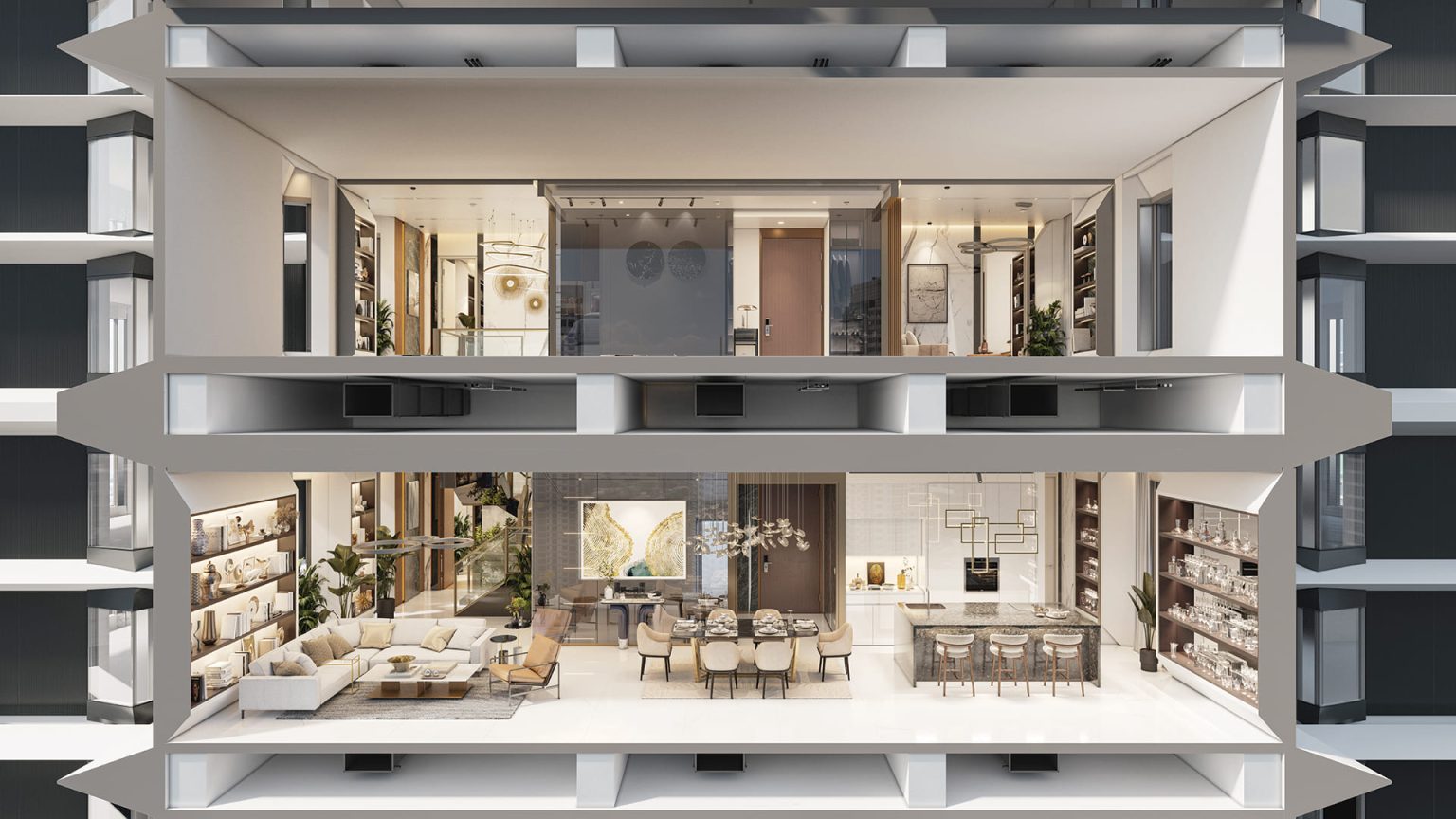
This thinking is expressed through bay windows that can be used as everyday living spaces, whether for reading, working, or simply pausing above the city.
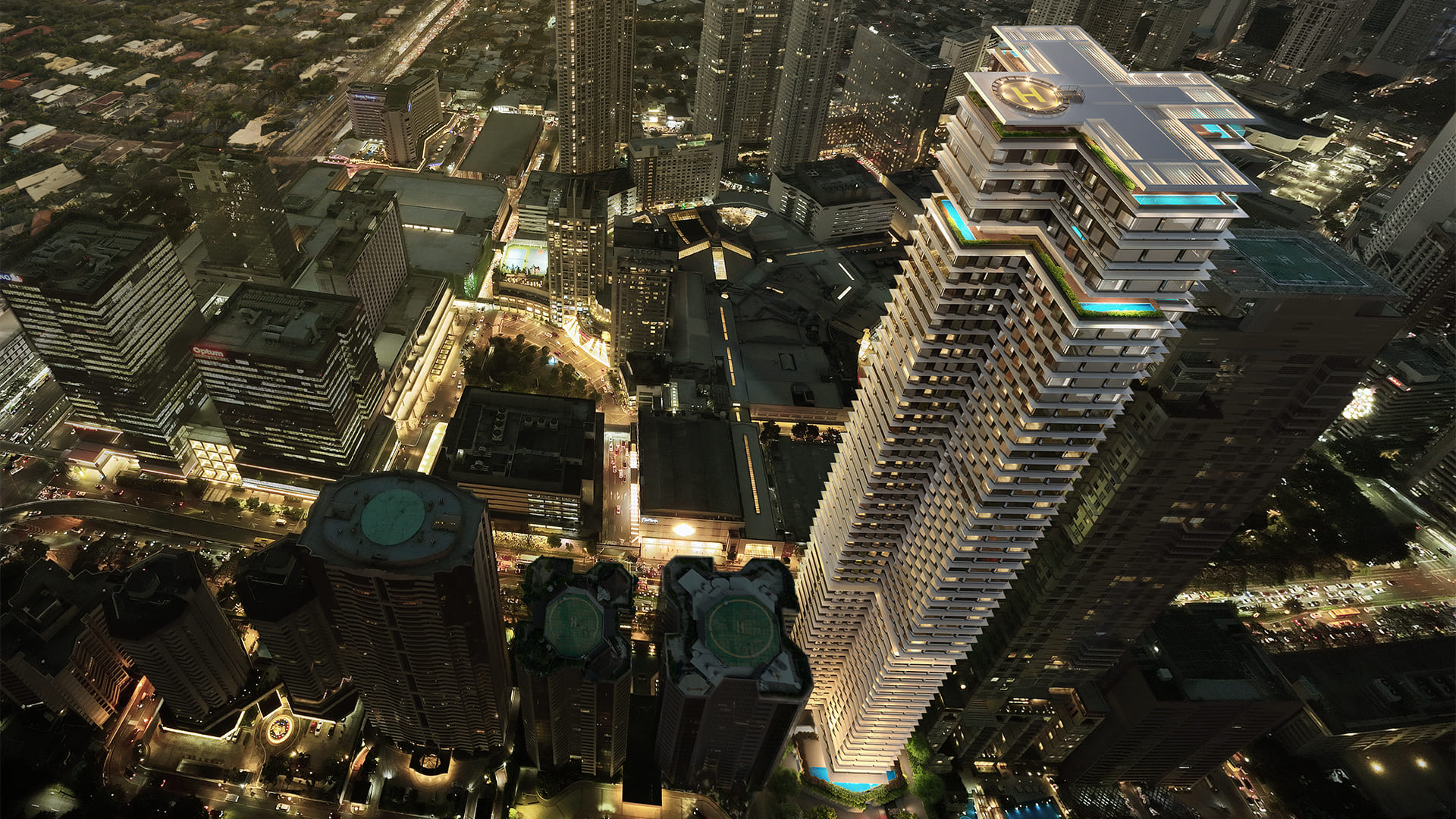
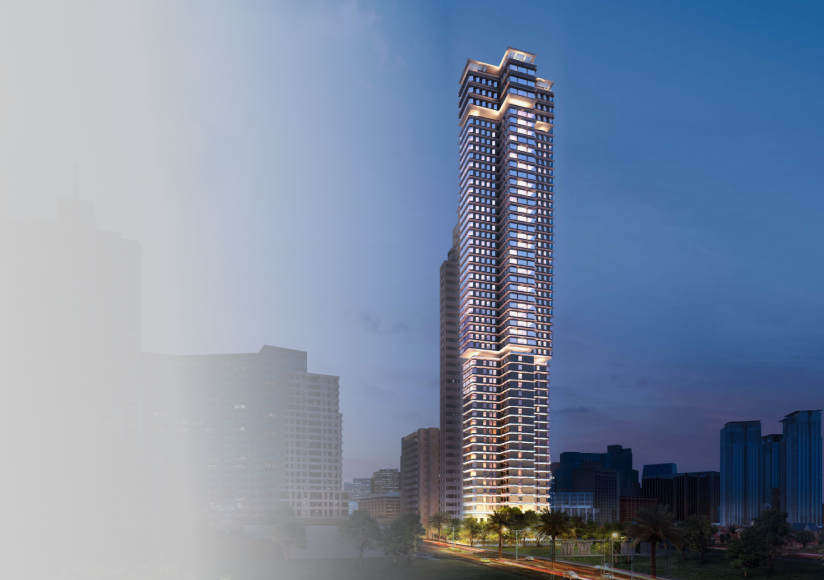
The building’s cruciform layout deepens this connection. Each residence is positioned as a corner unit, maximizing views, natural light, and airflow. In a dense urban environment, this creates a stronger sense of openness and connection to the surroundings.
“Urban living is vibrant, but people also want a retreat,” Ip said.
Movement through the building is approached as a transition from city to home.
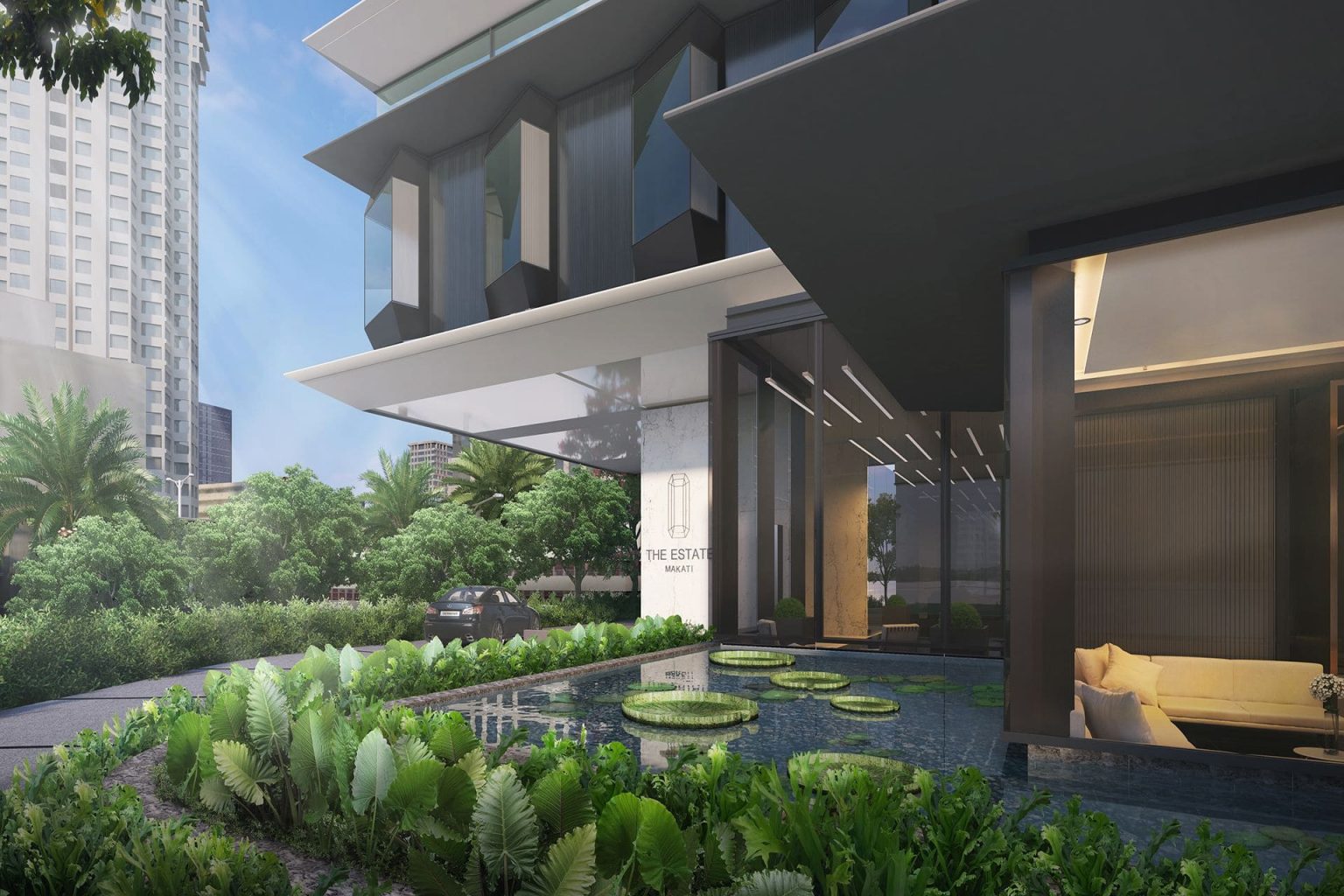
A landscaped arrival sequence introduces this shift, creating a quieter, more private environment from the moment residents enter. The ground level is organized as a series of spaces rather than a single lobby, reinforcing a more residential, less institutional feel.
With 188 units, the development is intentionally low in density, supporting privacy and a more considered living experience. Private lift access further enhances this sense of exclusivity.
Environmental performance is integrated into the design in practical ways. The façade reduces heat gain and reliance on mechanical cooling, while rainwater collection and electric vehicle infrastructure support more efficient daily living.
These decisions reflect a broader approach where sustainability is embedded into how the building works, rather than treated as a separate feature.
What holds all of these together is a belief in continuity. Materials are selected for durability, and systems are designed to accommodate change.
“We believe these will prevent the building from becoming obsolete,” Ip said. “Instead, it will evolve with its residents and remain relevant for generations.” The Estate Makati takes a timeless approach, allowing homes to adapt alongside the lives unfolding within them.
#BrandedUp