
Back to top
May 13, 2026

Future forms: 9 defining projects in Philippine design today

Words by: Maritess Garcia Reyes
  • Architecture & Design
  • Homes

Cover The Philippine design scene is more exciting than ever (Photo: Getty Images)

The Philippine architecture and design scene is evolving into an exciting new era, with a vibrant mix of international and local designers boldly transforming the ways we work, live and play

A quiet revolution is reshaping the Philippine design scene. Across the country, built environments are being reimagined to foster deeper connections between nature, community and cutting-edge aesthetics. From the contemporary art hub Kontempo in Makati to the sustainable beauty of Siargao’s Balai Dajao these innovative structures beautifully blend modern ingenuity with deep cultural heritage. Tatler has curated a collection of outstanding developments that demand your attention. Join us as we explore these future forms and the visionary minds shaping the next chapter of Philippine design.

1. Kontempo

Imagine a space where a city’s vibrant pulse yields to the placidity of its main waterway, the Pasig River. This is the evocative premise behind Kontempo, the Philippines’ newest centre for contemporary art slated for completion by 2028. It will proudly stand on an expansive site steeped in history, the grounds

of the former Santa Ana Race Track. Kontempo is designed to redefine how we experience both art and community. Beyond the main building, the 2.5-hectare site will generously encompass 15,000 square metres of open green space dedicated to immersive art installations, lush gardens and public use, seamlessly integrating indoor and outdoor experiences.

Spearheading this 100,000-square-foot architectural marvel is Kulapat Yantrasast, the visionary founder and creative Director of WHY Architecture, in a dynamic collaboration with the esteemed Manila-based firm Lor Calma & Partners. Rather than imposing a rigid, monumental structure upon the landscape, the ingenious design champions permeability and civic openness.

At its conceptual core is a dramatic canopy, beautifully inspired by the morphology of palm fronds. Yantrasast perfectly encapsulates this romantic yet grounded ethos: “It is a place where nature and art meet, and where international culture converges with local creativity to produce something new.” He adds, “At its centre is a single, generous roof, beneath which life unfolds without boundary, inside and out, day and night.” Under this protective, porous roofscape—cleverly formed by lightweight steel “leaves” to provide shelter, filtered daylight and natural ventilation—the museum will house three primary gallery spaces. These spaces are enveloped in striking structures that abstract traditional Filipino craft, explicitly referencing indigenous weaving techniques that utilise abaca, piña, bamboo and palm fibres. These facade panels are not merely decorative flourishes; they serve as a highly functional climatic screen that mitigates heat gain whilst proudly expressing the material intelligence of Philippine architectural heritage.
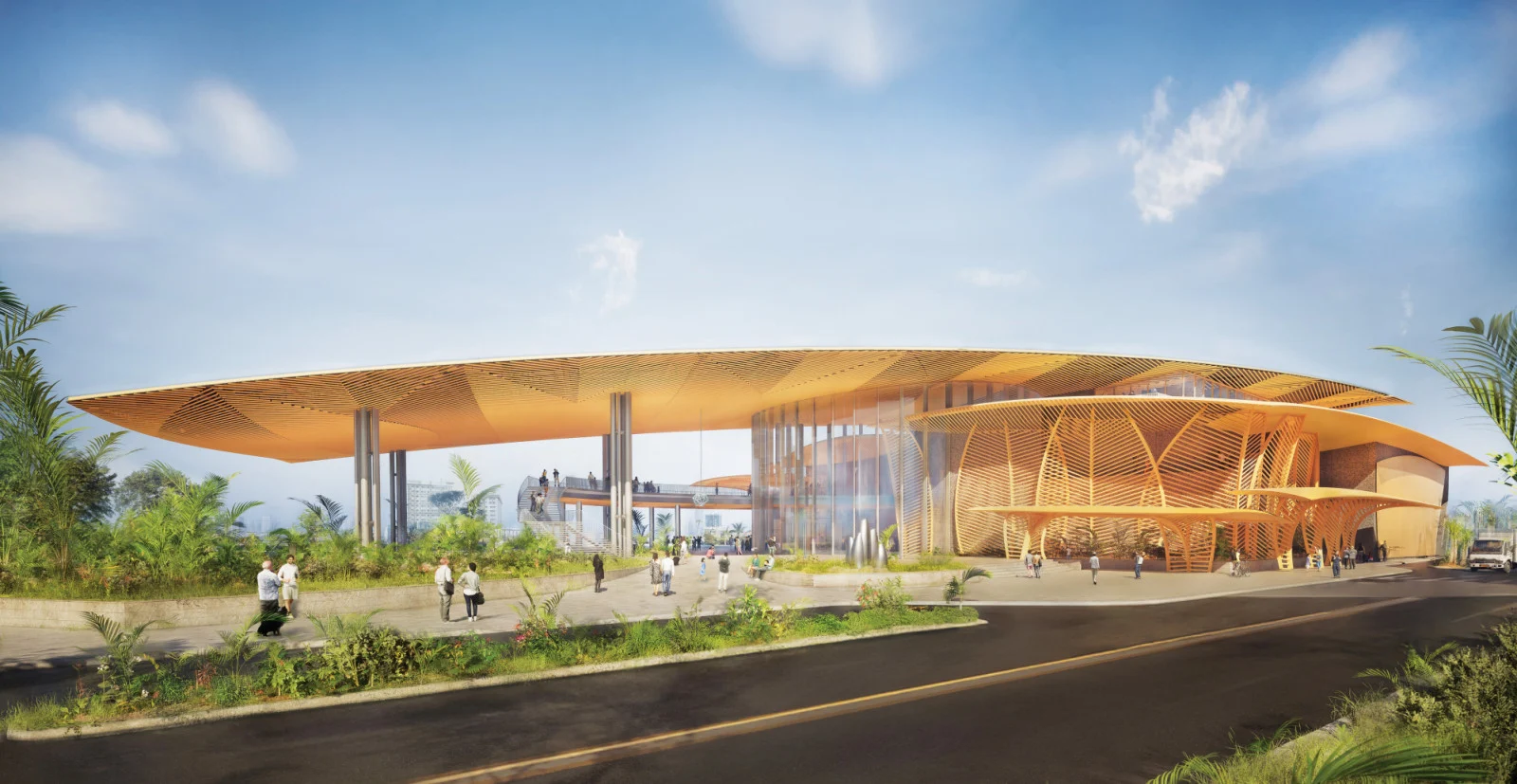
Above A street view rendering of Kontempo - Center for Contemporary Art (Photo: courtesy of Kontempo – Center for Contemporary Art, Philippines (rendering) Ayala Foundation, WHY Architecture and Lor Calma & Partners)

Sustainability is an embedded principle throughout every stage of the design. Ed Calma, project architect and founder of Lor Calma & Partners, elegantly emphasises this rigorous approach to the tropical environment: “Working in close collaboration with Ayala Foundation Inc and WHY Architecture, we have sought to translate our museum expertise into a building that responds to Philippine climate, construction practice and material conditions. The project will achieve LEED, EDGE and WELL certifications, ensuring high standards of sustainability, environmental performance and occupant well-being.”

The architecture essentially invites nature to meander through it, featuring large overhangs, shaded walkways and water-sensitive planting to drastically reduce energy consumption and extend the footprint into the landscape.

Kontempo is envisioned as a seamless extension of everyday community life, standing as a monumental legacy project for the Ayala Foundation. As Fernando Zobel de Ayala profoundly notes, “Kontempo is designed to be a public institution for the long term—one that supports artists, audiences and communities across generations. The building and architecture play a key role in this vision.” With its breathtaking synthesis of ecology, heritage and contemporary flair, Kontempo is undeniably set to become a defining cultural landmark amidst the vibrant energy of Makati.

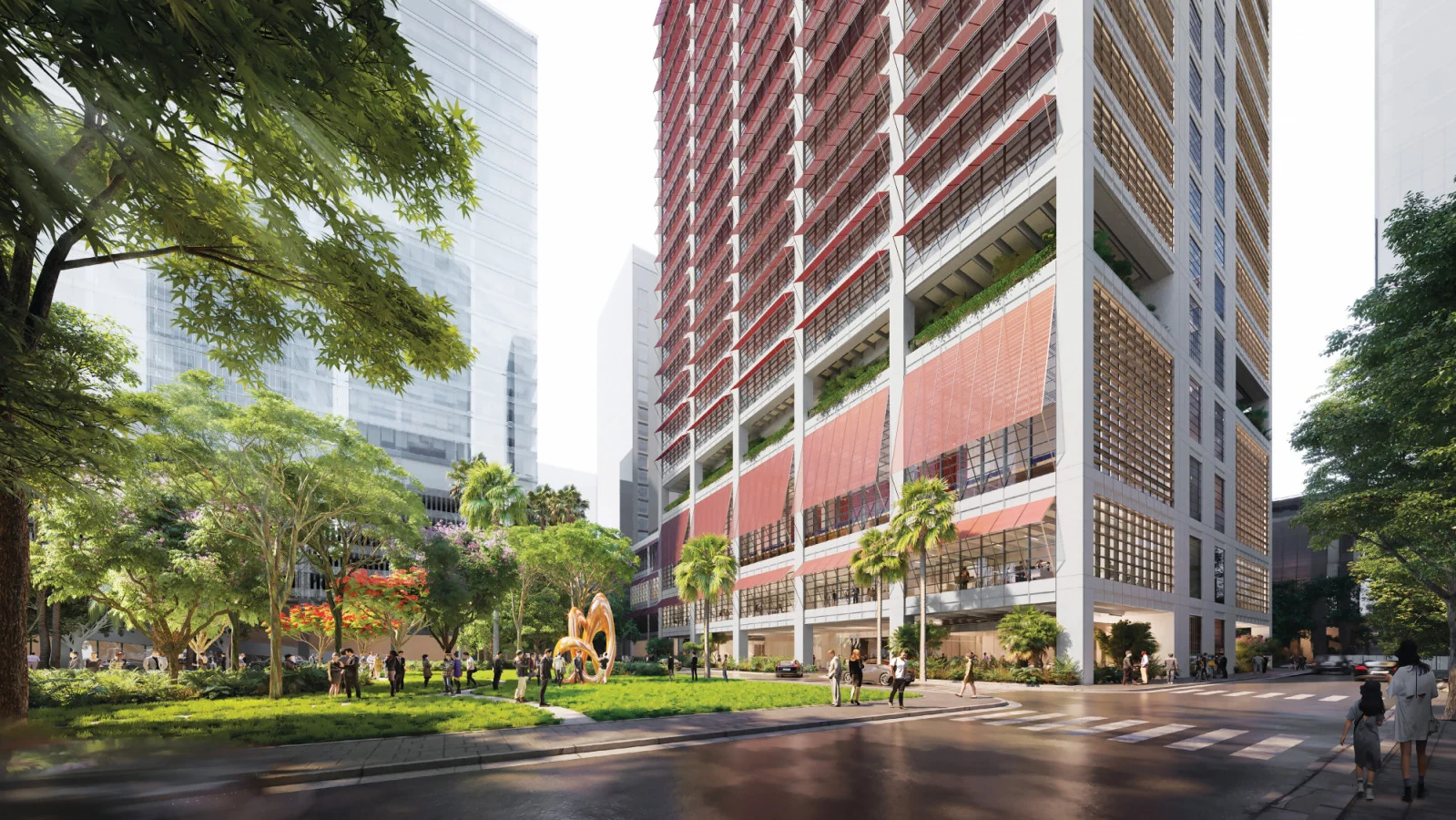
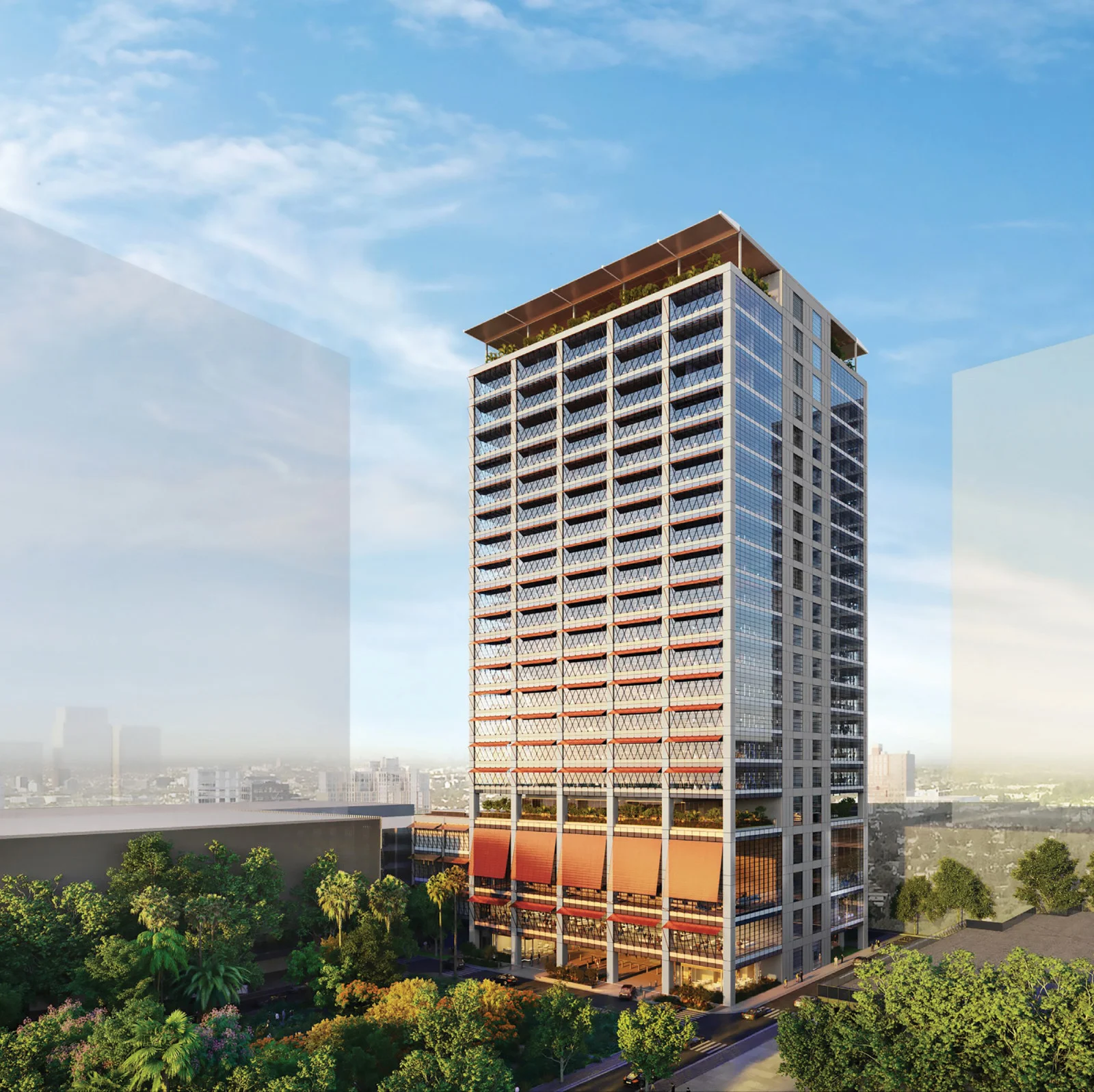
Above The upcoming Bench Headquarters is targeting Green Mark Super Low Energy and LEED Platinum ratings (Photo: courtesy of Suyen Corporation)

2. Bench Headquarters

The construction of the Bench Headquarters aims to showcase a powerful architectural concept: a design that vividly reflects the company’s heritage through a functional structure. Avoiding typical corporate vanity, the building’s design emphasises how modernisation—both in aesthetics and execution—can stay true to Suyen Corporation’s core principles. The design prioritises fostering collaboration by ensuring seamless movement and close coordination among teams throughout the building.

In keeping with Bonifacio Global City’s walkable, concrete-jungle aesthetic, Foster + Partners architects have maintained a levelled perimeter around the urban landscape, allowing the structure to integrate smoothly with the district’s clean pavements and green spaces. Inside, a spacious ground-floor atrium provides direct access to the offices, with each floor designed to maximise unobstructed openness. Another four-storey atrium is located at the top of the building, bringing in natural daylight to the studios. Managing tropical sunlight requires expert precision; with this in mind, the façade is carefully engineered in collaboration with Foster + Partners’ Environmental Engineering team to allow ample filtered natural daylight while reducing glare and heat.

Above Bench Headquarters (Photo: courtesy of Suyen Corporation)

The innovative terracotta awning system features deep overhangs on the east and west façades, shielding the building from solar heat, reducing energy consumption and minimising heat penetration. Internally, offices will have raised floors to lower fit-out costs and appeal to high-end tenants. Scheduled for completion in the third quarter of 2028, this new headquarters is set to make a bold statement in the corporate skyline.

3. Proscenium Theater

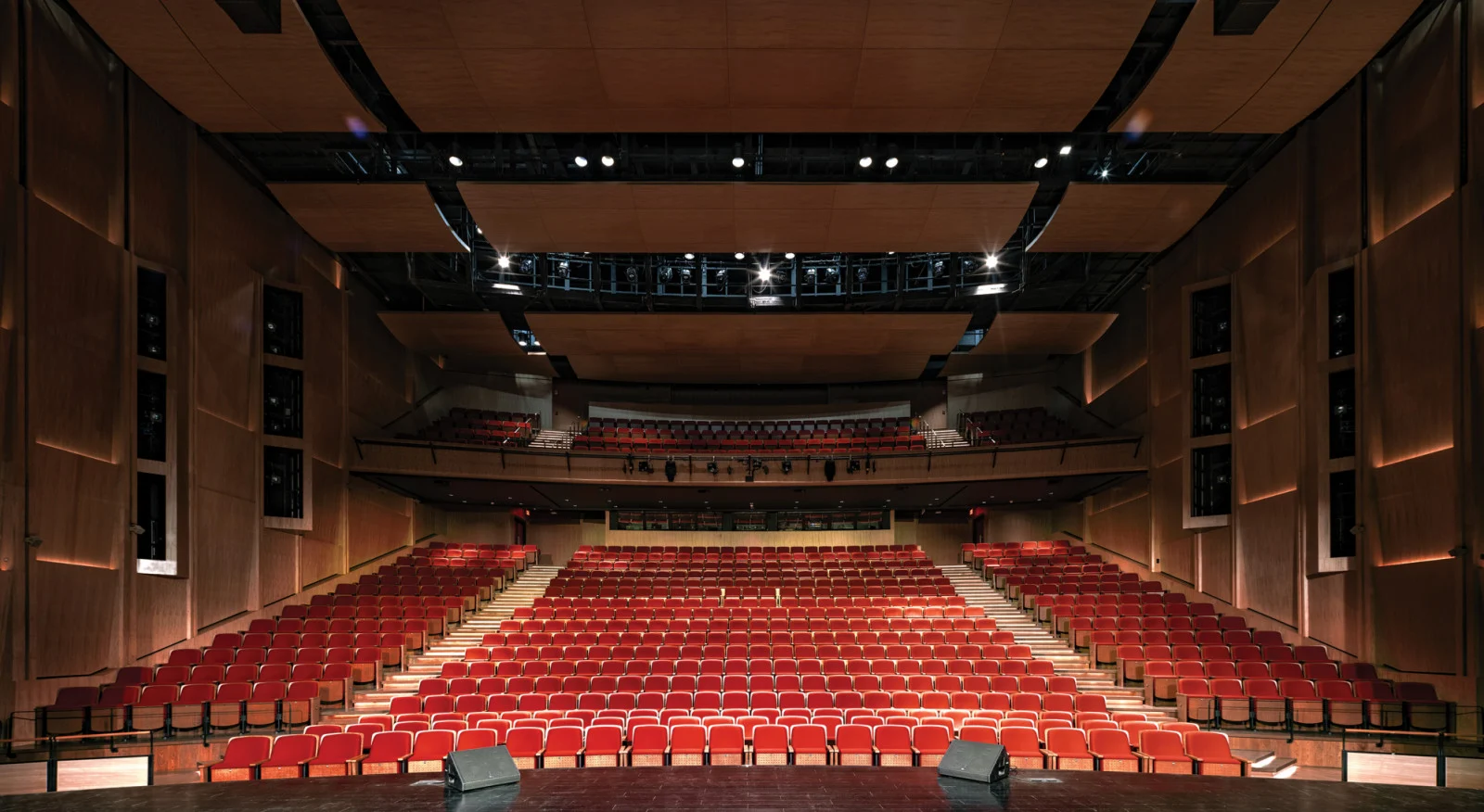
Above Inside the 776-seater main hall of the Proscenium Theater

Launched last year, this 3.6-hectare master-planned enclave in Rockwell Center sets a new standard for the city’s cultural landscape. The Proscenium Theater has quickly become a standout destination, celebrated for offering world-class experiences.

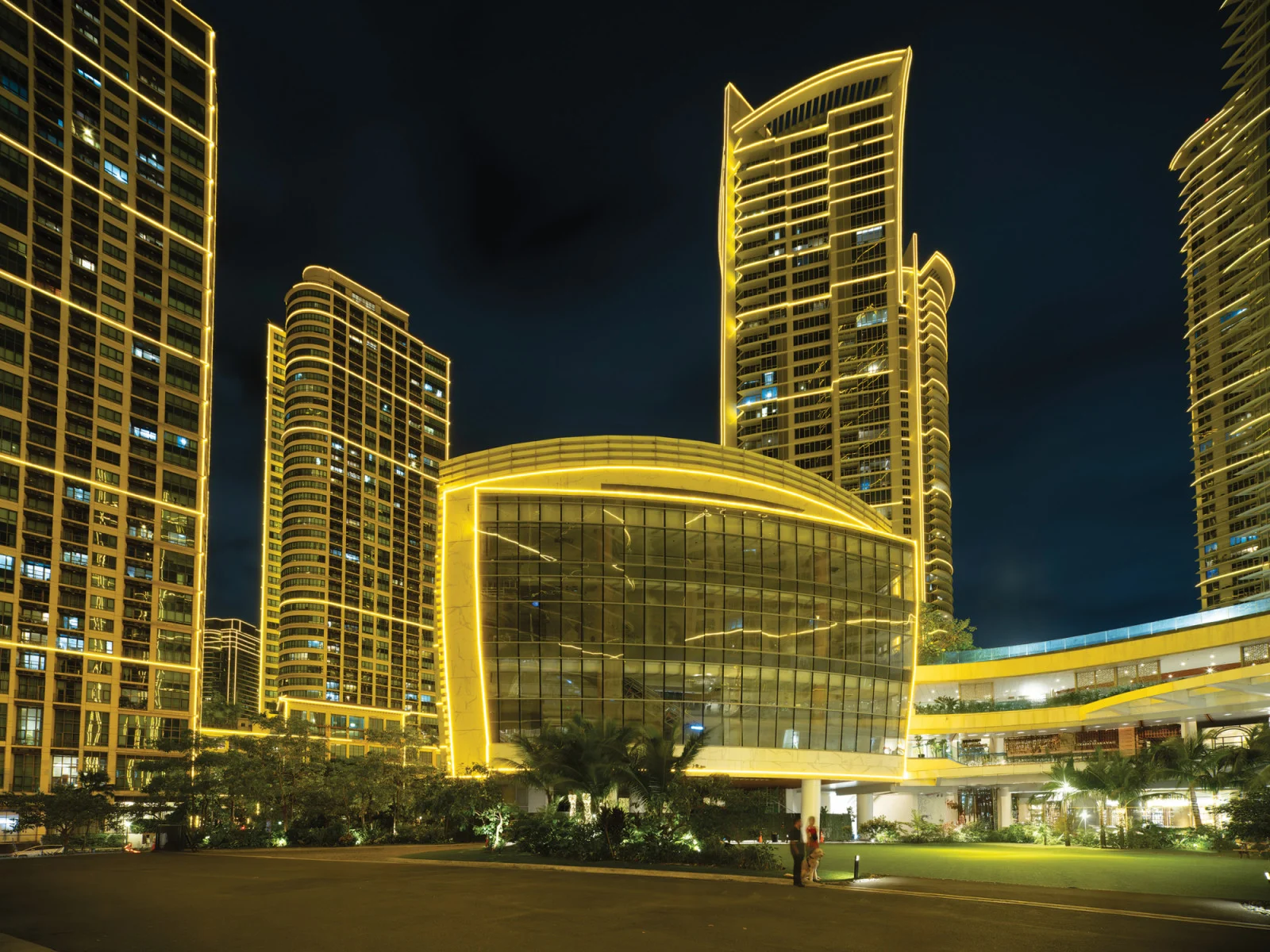
Designed by acclaimed architect Carlos Ott, the theatre is the flagship of a development that fuses residential towers with the lively Proscenium Retail Row. Ott sought to create a structure that integrates seamlessly with its surroundings yet remains visually distinctive. For a project of this magnitude, the underlying design philosophy required a delicate balancing act. He states, “The performance hall had to, on one hand, be integrated visually with the overall design while at the same time be easily identified as a different form with its own personality.” The outcome is a building that combines grandeur with intimacy, a true example of thoughtful architecture.

Above The Proscenium Theater at night

Featuring natural acoustics and spacious layouts, the venue is intelligently engineered for aural and visual perfection.

The theatre includes two signature spaces for a variety of performances. The Main Hall, which can accommodate 776, places seats as close as 20 metres from the 16-by-16-metre stage equipped with automated fly lines for modern productions. This ensures that every patron feels intimately connected to the performance. The Black Box Theater, on the other hand, offers a 332-square-metre adaptable space for experimental and intimate shows, seating up to 300 for workshops, indie plays, or masterclasses. The theatre’s location, scale and visionary design allow for the continued exploration of arts and culture.

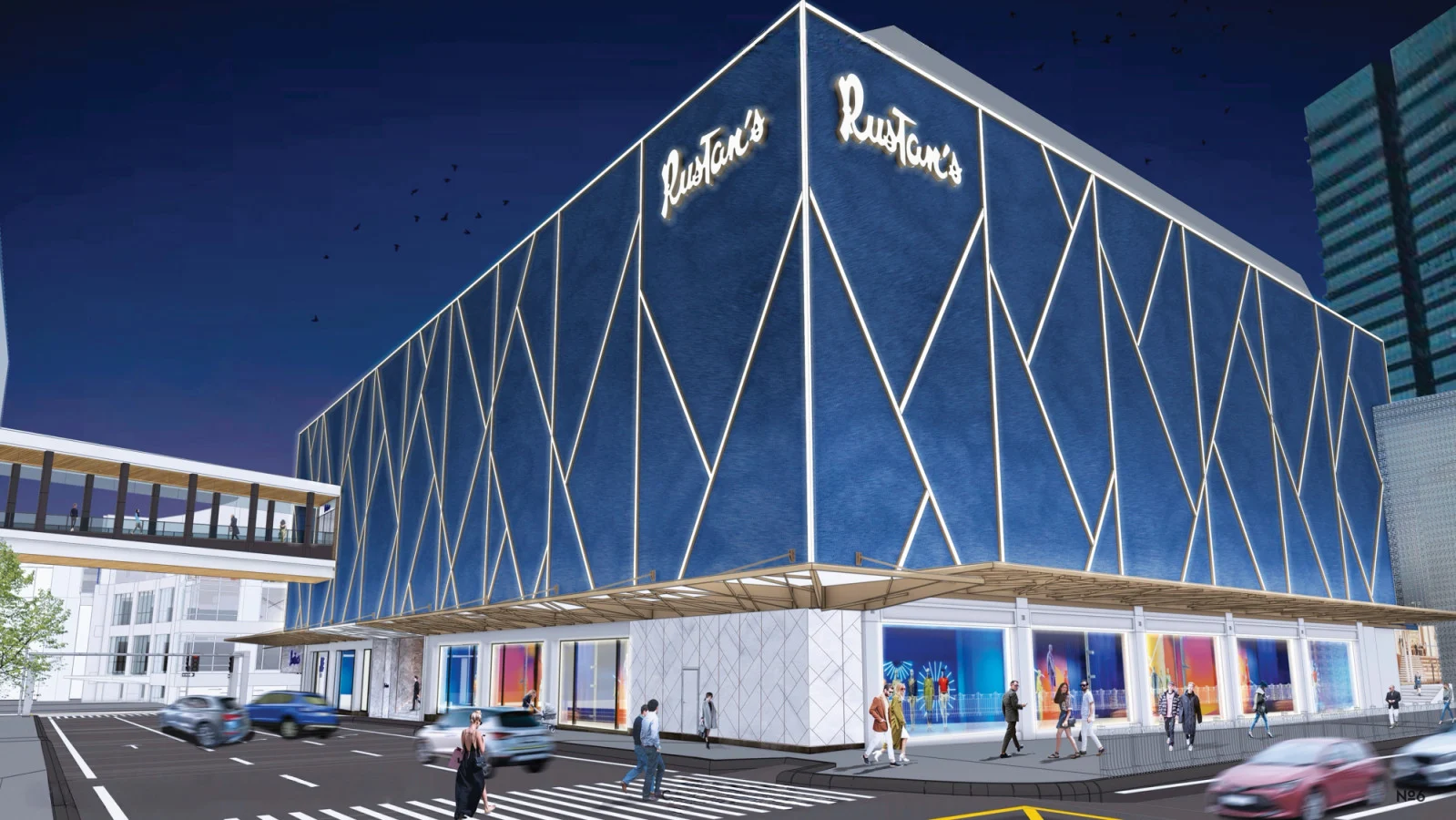
Above Image courtesy of Rustan’s Makati

4. Rustan’s

There is a tangible magic in breathing new life into a beloved institution. For decades, Rustan’s has served as the arbiter of taste in the Philippines. Now, its Makati flagship is undergoing a metamorphosis, reclaiming its rightful place as the crowning visual jewel of the city by blending nostalgia with a modern architectural vision.

At the heart of this transformation is a poignant story. “‘Welcome to our Home’ is the foundational concept narrative set forth by my late mother, our former chairman and CEO, Zenaida ‘Nedy’ Tantoco to govern the renovation masterplan,” shares Anton Huang, president of the Rustan Commercial Corporation and Stores Specialists, Inc.

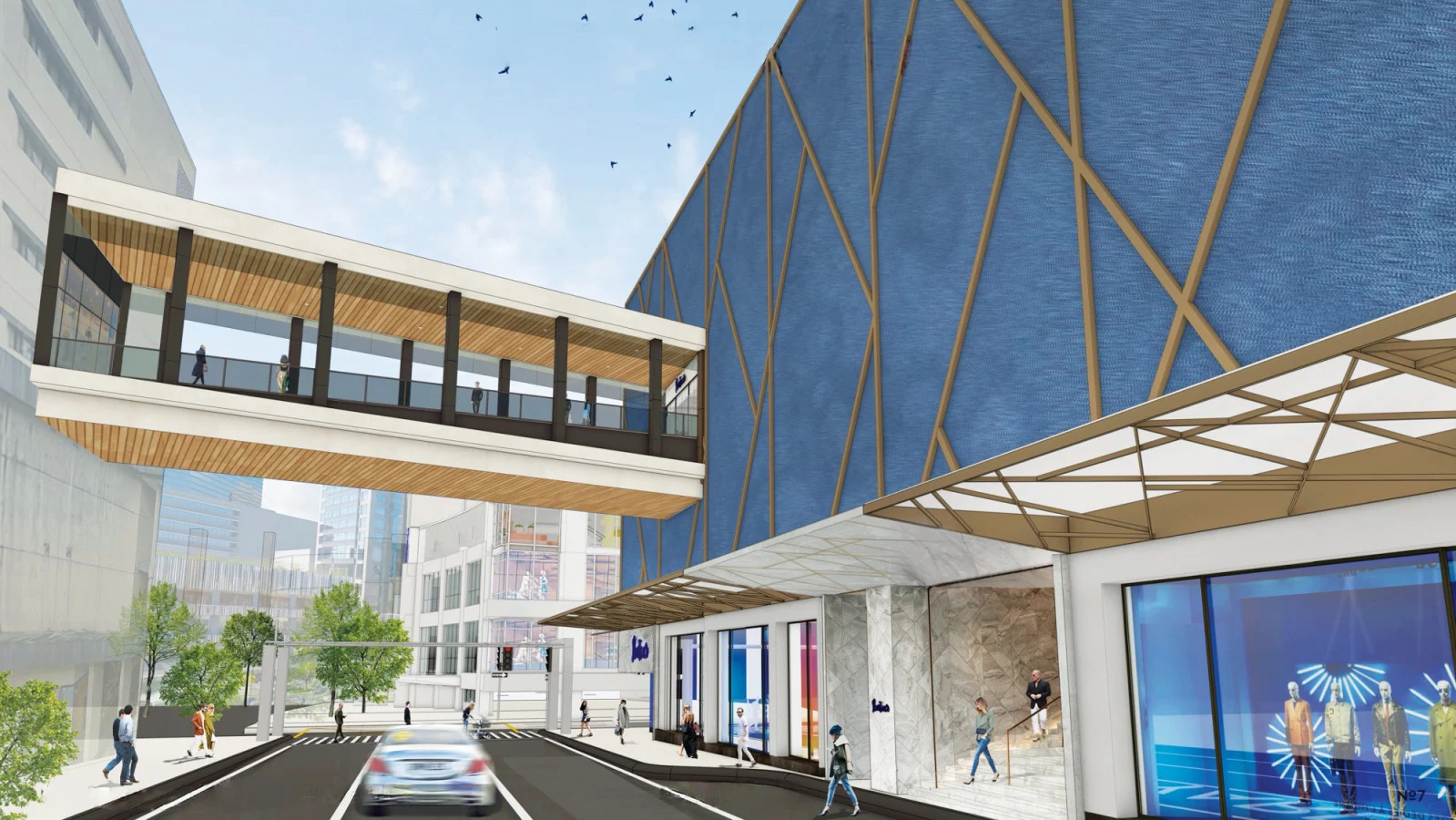
To understand Rustan’s future, one must look to its glamorous past. Older generations of Manila’s stylish set will fondly recall the 1971 Jewel Box building by the architect Jose Sala. Its triangular-gridded, blue ceramic-tiled facade was an unforgettable image in Makati’s early development. Working alongside London-based interior architecture studio Cardy Papa Ltd, the team abstracted this heritage pattern. Today, this signature motif is thoughtfully scaled across key touchpoints, such as the escalator atrium.

Above Image courtesy of Rustan’s Makati

The most dramatic visual shift lies in the building’s exterior, a bold envelope bathed in the brand’s heritage Majorelle Blue. This textured facade is brilliantly pragmatic, specifically chosen to withstand torrential monsoon rains and traffic pollution. It plays a fascinating game with the elements, creating visual movement as strong sunlight and shadow dance across the surface. As night falls, illumination enhances the textured materiality, working alongside programmable lighting integrated within timeless, bronze-coloured metal channels that trace the heritage pattern across the structure. Warm-grey marble cladding at the new entrances completes this masterful symphony of materials, whispering the quiet luxury associated with the brand.

Stepping inside, the customer-centric philosophy takes centre stage. A strategic relocation of the Courtyard Drive entrance plunges guests directly into a refurbished beauty destination. The complete reconfiguration eradicates the labyrinthine feel of department stores’ past, offering clear sightlines and intuitive navigation.

Contoured columns sweep upward to connect with illuminated arches, while an expanded atrium provides a breathtaking connection to the upper floors. This magnificent project is not a fleeting trend; rather, its completion is meticulously timed to coincide with the highly anticipated 75th Anniversary of Rustan’s Department Store. By owning its majestic Majorelle Blue and modernising its very soul, the institution is doing more than preserving its storied history. “We hope this new façade design creates as bold a statement as the original Jewel Box 1971 building as well as referencing the unique story and legacy of Rustan’s,” Huang reflects.

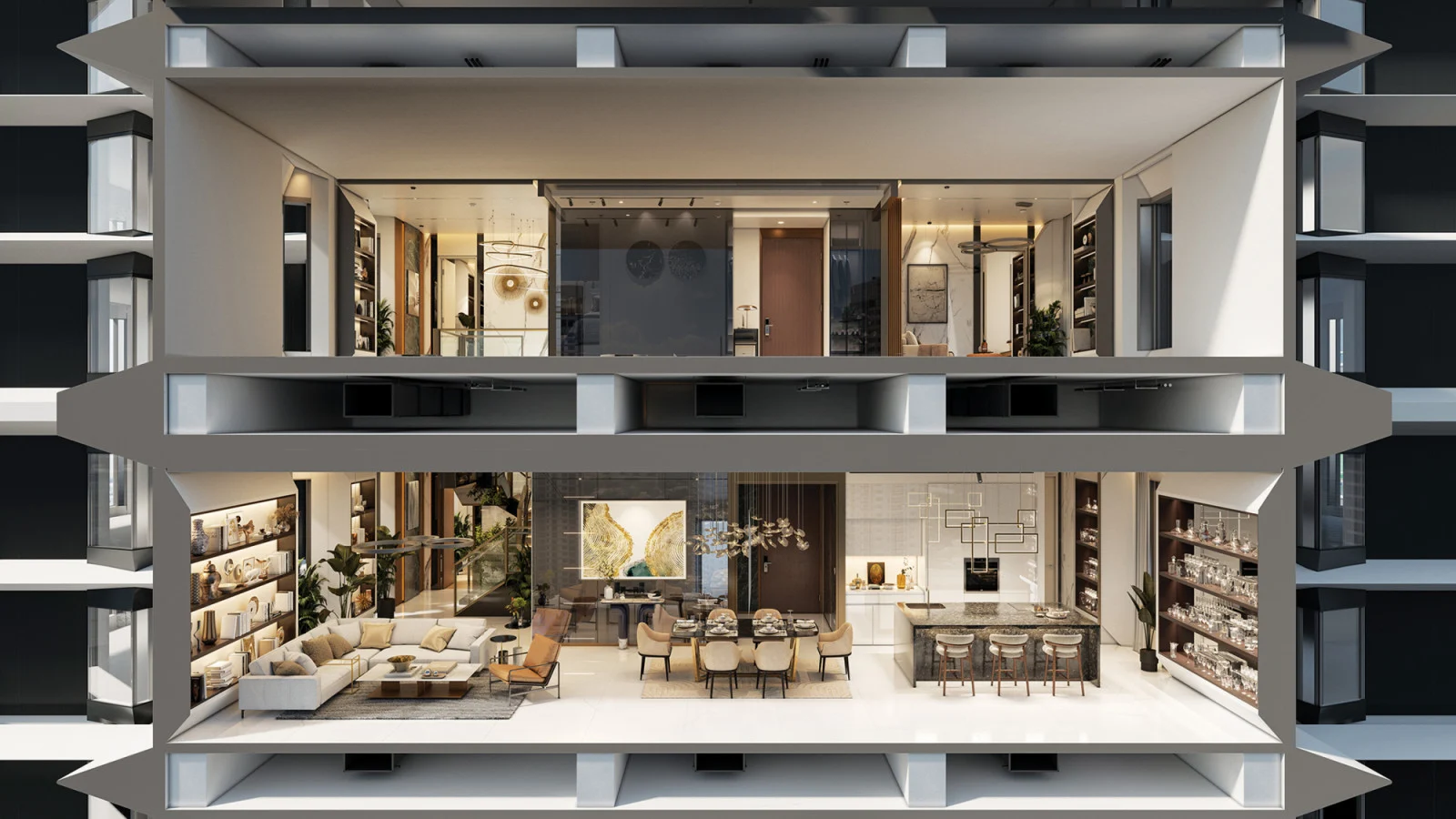
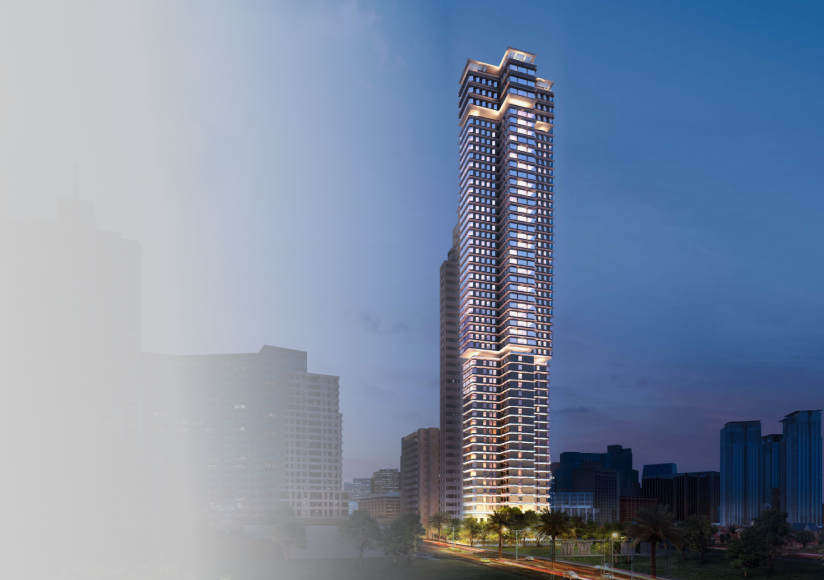
Above The Estate Makati is designed to evolve and remain relevant for generations (Photo: courtesy of The Estate Makati)

5. The Estate Makati

A beautiful addition to Ayala Avenue’s Apartment Ridge is The Estate Makati, a 60-storey luxury development by SM Residences and Federal Land, Inc. It is the Philippines’ first residential project designed by the award-winning firm Foster + Partners. The site features a dual character: One side faces the vibrant Ayala Avenue cityscape and on another faces the tranquility of the nearby villages. Architect Perry Ip of Foster + partners described this as a “dialogue between two worlds”.

Instead of focusing on standard dimensions, the design emphasises comfort and human experience, incorporating greenery and natural light while mitigating tropical heat. The building’s innovative cruciform design is a masterstroke in this regard, expanding the frontage by roughly 30 to 35 per cent compared to a standard square layout. Consequently, all 188 residences are exclusive corner units boasting expansive 180° to 270° panoramic views.

With adaptability as a key feature, the design supports future modifications, recognising that the space is meant to last for a long time, with interiors kept versatile as blank canvases. Double-slab technology maintains a one-metre gap between floors, hiding building systems like piping and wiring, and allowing reconfigurable, column-free layouts with 3.2-metre ceilings.

The project’s success depended on developers sharing a clear vision. Reflecting on this rare collaboration to design the ultimate home, Ip remarks, “Instead of focusing on numbers, we spent time discussing ideas and ambitions.”

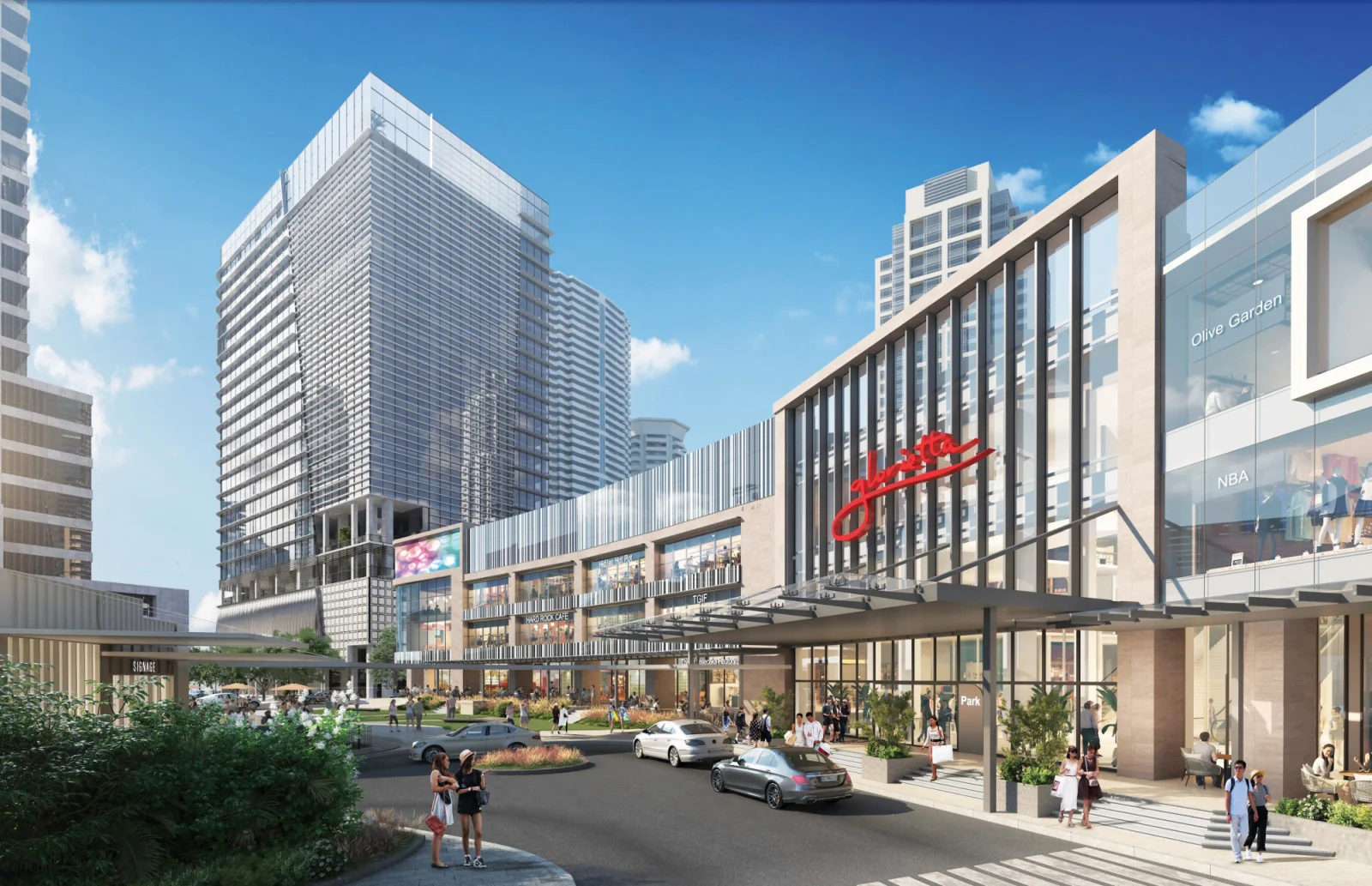
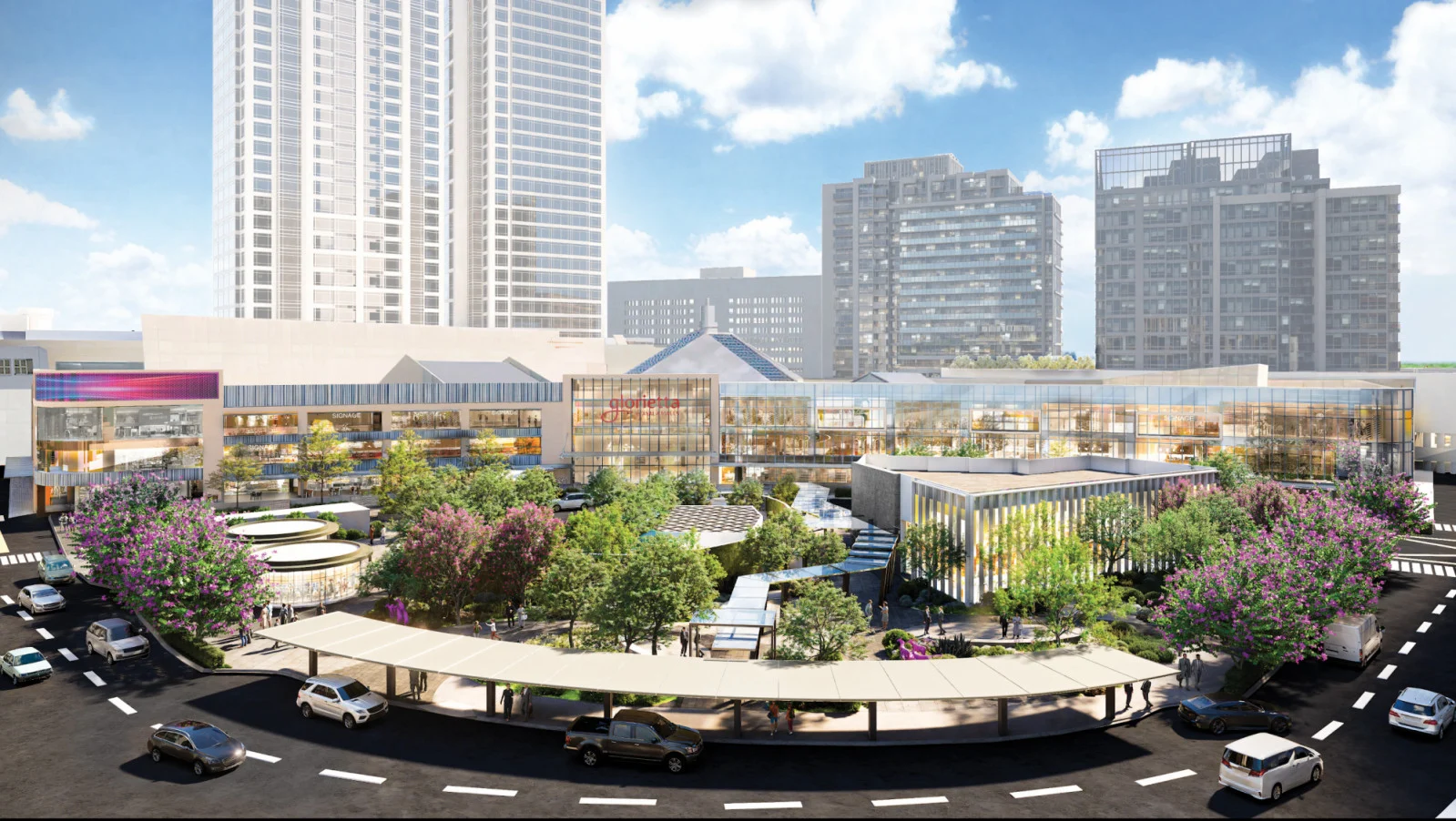
Above The artist’s rendition of the Glorietta mall gives a peek into how Buchan aims to breathe a new life into the iconic mall in Makati

6. Glorietta

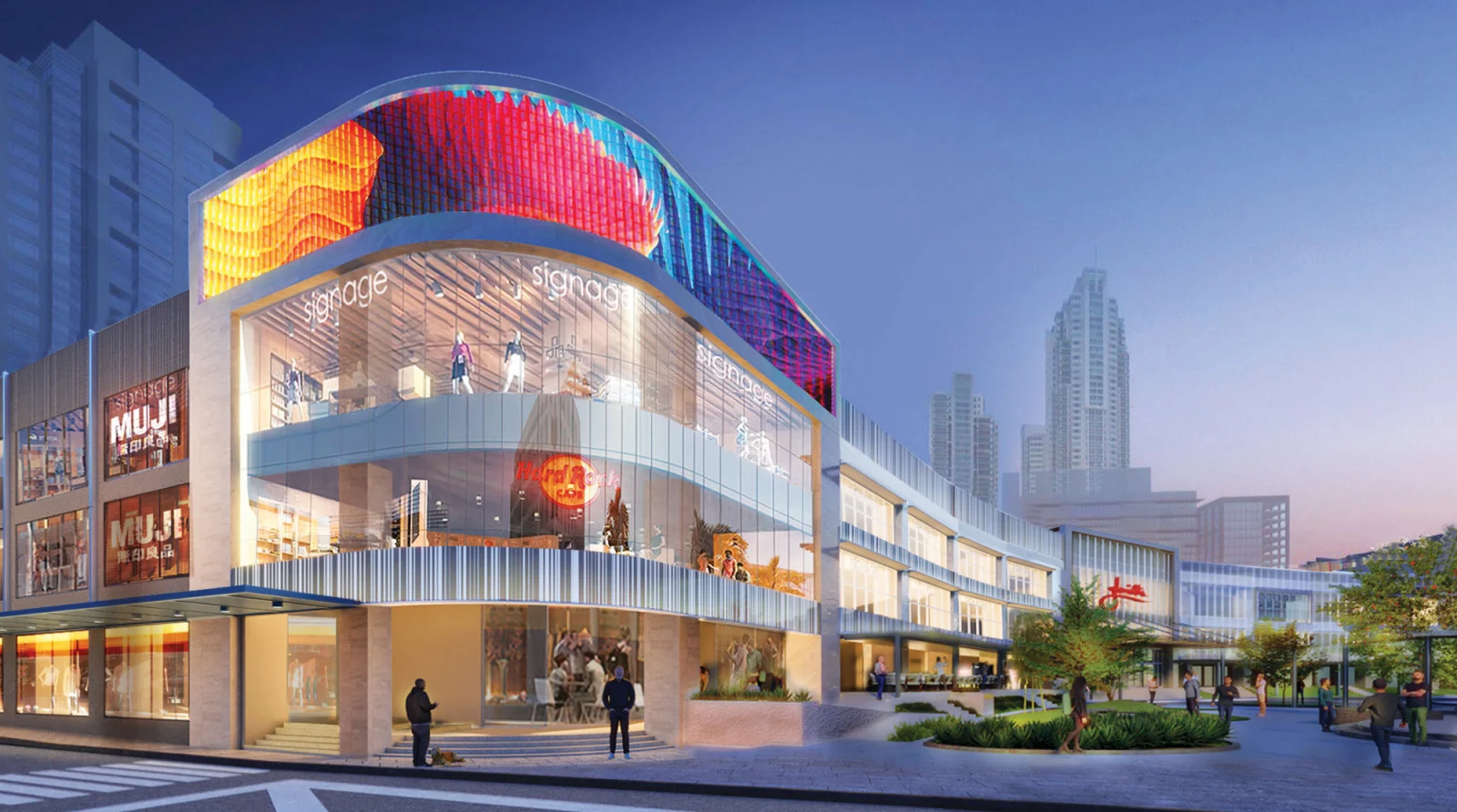
Tasked with revitalising this iconic Makati mall is Buchan, one of Australia’s oldest architecture and design firms. Targeted to be completed by the end of 2026, the project enhances retail, dining and leisure into a highly sensory experience, fundamentally transforming how shoppers interact with, navigate through and experience the space.

For the 115,000 square metres of retail space out of 192,000 square metres of total area, Buchan applies a seamless, timeless design. Working closely with Ayala Land, the team developed their concept around five clear pillars: urban sanctuary, organic, sensual, fluid and pivotal. This philosophy guides the project, transforming both the exterior façades and interiors into engaging, purposeful spaces. The architecture incorporates fluid lines and organic textures, ensuring the development feels less like a rigid commercial block and more like a living environment that actively responds to its visitors.

Above Glorietta (Photo: courtesy of Ayala Malls)

Above Glorietta (Photo: courtesy of Ayala Malls)

If you have ever lost your way in the old corridors, you can now breathe a sigh of relief. Buchan based its new layout on a practical understanding of how people move. The arrival feels more impressive, with redesigned drop-off and entry zones creating an instantly chic atmosphere. The real innovation, however, lies in the new flow. Wide pedestrian “highways” and smaller “laneways” replace the old labyrinth. Paired with a clever digital strategy and excellent new wayfinding, exploring the updated indoor activity centres, concourses and lobbies is truly effortless. Even the vertical transport routes have been smartly redesigned to seamlessly connect levels.

Certainly, an urban sanctuary calls for a touch of nature. Large green spaces are seamlessly integrated into the layout, providing beautiful outdoor dining amid lush, carefully maintained plants. Ultimately, this transformation fits into a broader strategy for the Makati hotspot. By smoothly connecting the surrounding hotels, residential buildings, commercial towers and standalone department stores, it perfectly complements the diverse architectural styles of the neighbourhood.

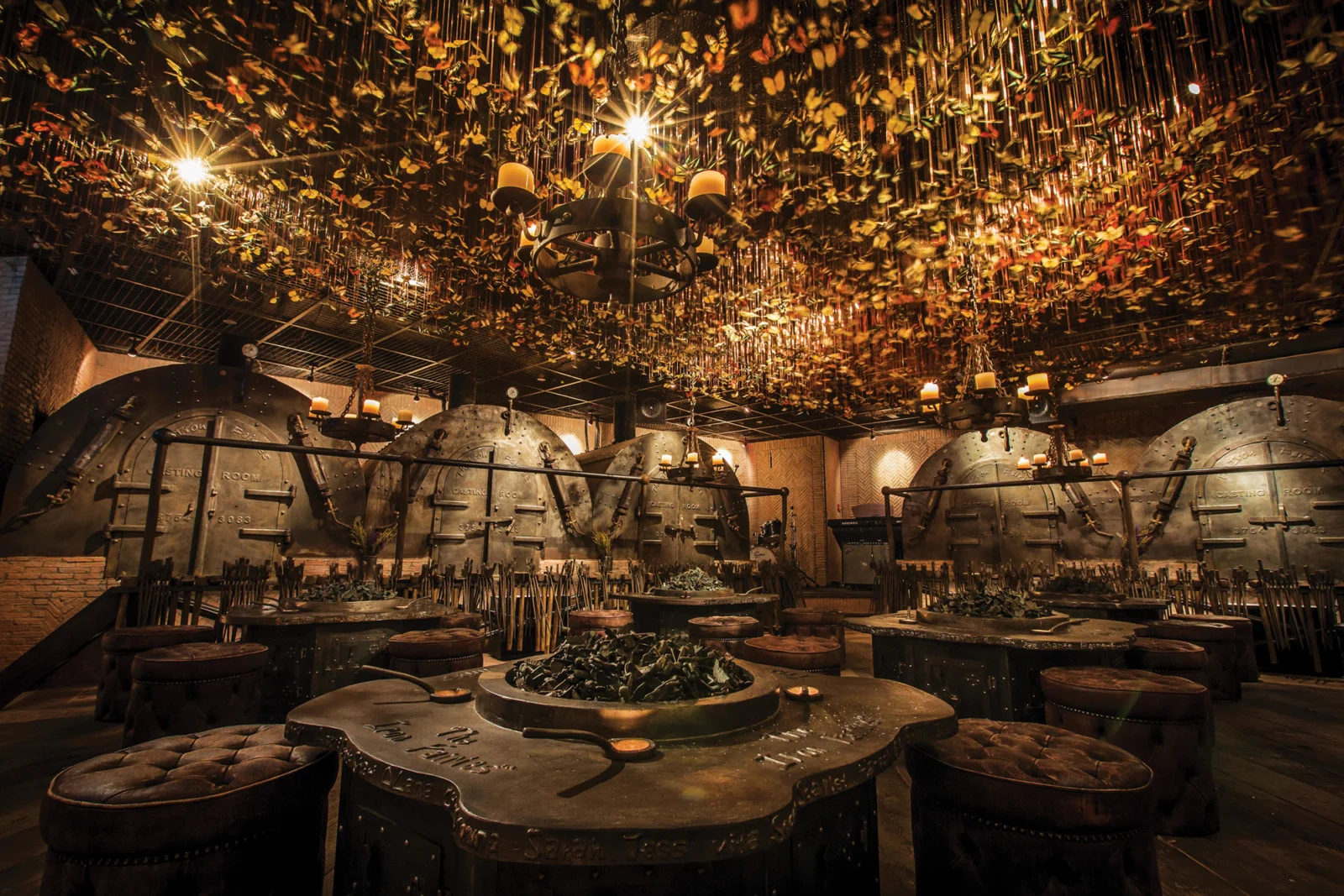
Above The interiors are defined by a juxtaposition of industrial and whimsical elements (Photo: courtesy of The Iron Fairies Manila)

7. The Iron Fairies Manila

A creative subterranean world is quietly emerging in Bonifacio Global City: The Iron Fairies Manila. Designed by Australian designer Ashley Sutton, in partnership with Sandeep Sekhri and the Boutique Bars group, the bar merges upscale nightlife with a touch of fantasy.

Sutton’s architecture reflects his childhood experiences working in Western Australia’s iron mines and a children’s book about miners and fairies. The theme revolves around “bewitched craft”, showcasing fairies dancing and enchanting visitors within a maze-like space bathed in warm, dramatic lighting. The venue’s colours blend industrial materials such as cast iron and steel with soft leathers and whimsical accents. A notable hanging garden with 10,000 butterflies connects industrial and romantic elements. Inside, guests find cosy clusters and intricate decor featuring leather-bound books, curiosities and handmade figurines. It aims to enhance social interactions with comfortable seating, thoughtful acoustics and seamless integration of live music and craft cocktails. Sekhri highlights that the space reimagines hospitality as a theatrical experience that inspires wonder, community and cultural innovation.

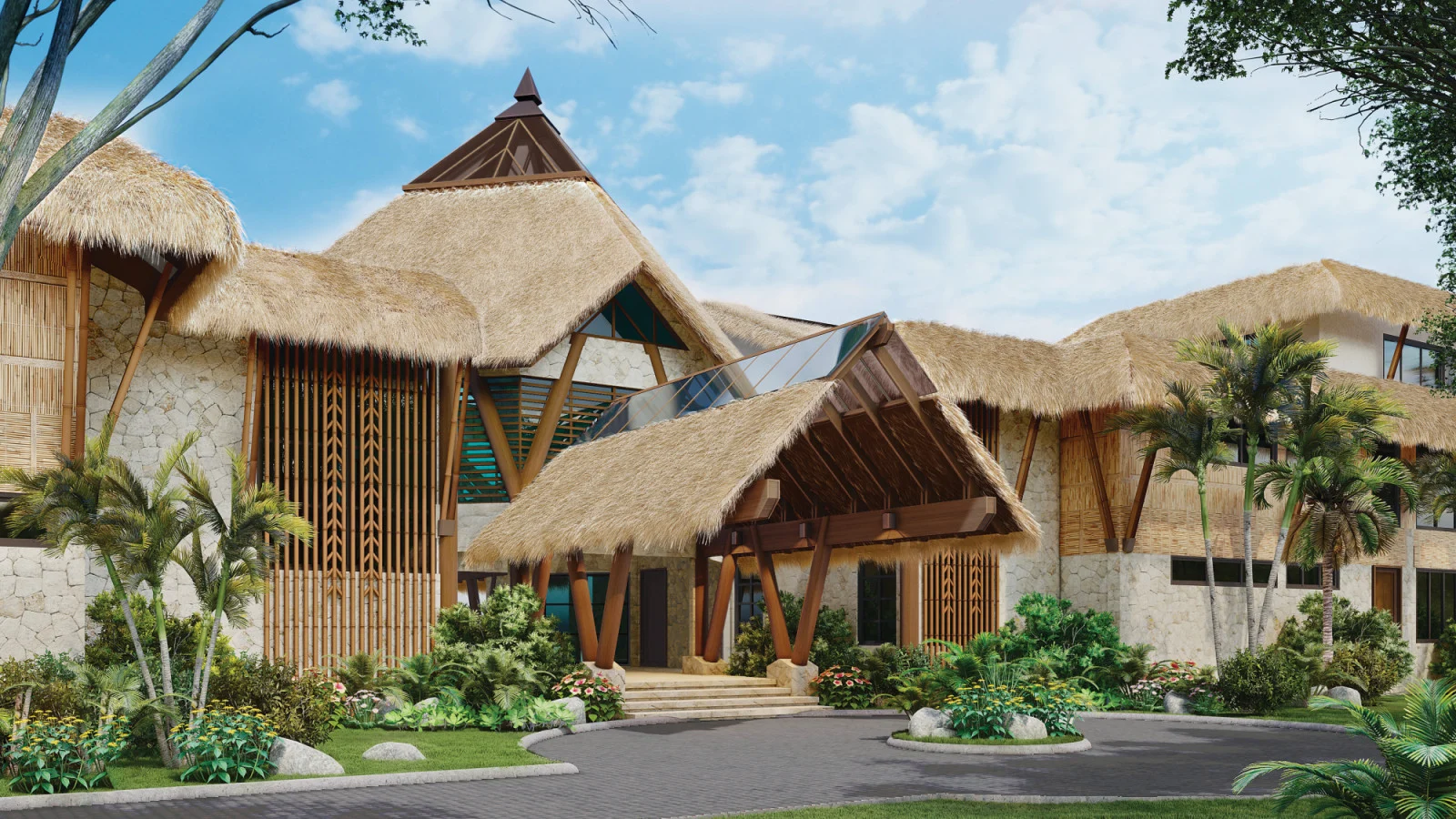
Above Balai Dajao echoes Filipino design reimagined in a current, tropical setting

8. Balai Dajao

Slated for turnover in late 2028 or early 2029, Balai Dajao emerges not as an imposition on Siargao’s lush landscape but as a masterclass in architectural restraint and cultural reverence. Architect Gelo Mañosa and his team’s latest endeavour offers a contemporary reinterpretation of the traditional Filipino balai, bypassing foreign narratives to create a space rooted entirely in the island’s soul. The vision is to move with the grain rather than against it. Mañosa explains, “The architecture feels native to its setting rather than imposed upon it. It is also a call for future builders to recognise that there are better, more sensitive ways of building—ways that protect, rather than diminish, a place’s authenticity.”

He adds, “The project consists of a series of structures that are intentionally porous and interconnected, allowing wind, light and movement to flow freely.” Deep overhangs protect against heavy monsoon rains while elegantly framing tranquil views of the surrounding greenery, ensuring the landscape remains the primary feature rather than the buildings themselves.

The key element is the material used, homegrown bamboo sourced from Cagayan de Oro. Harvested through responsible forestry, this sustainable choice brings an organic warmth and breathability to the spaces, serving as a striking testament to world-class Filipino craftsmanship.

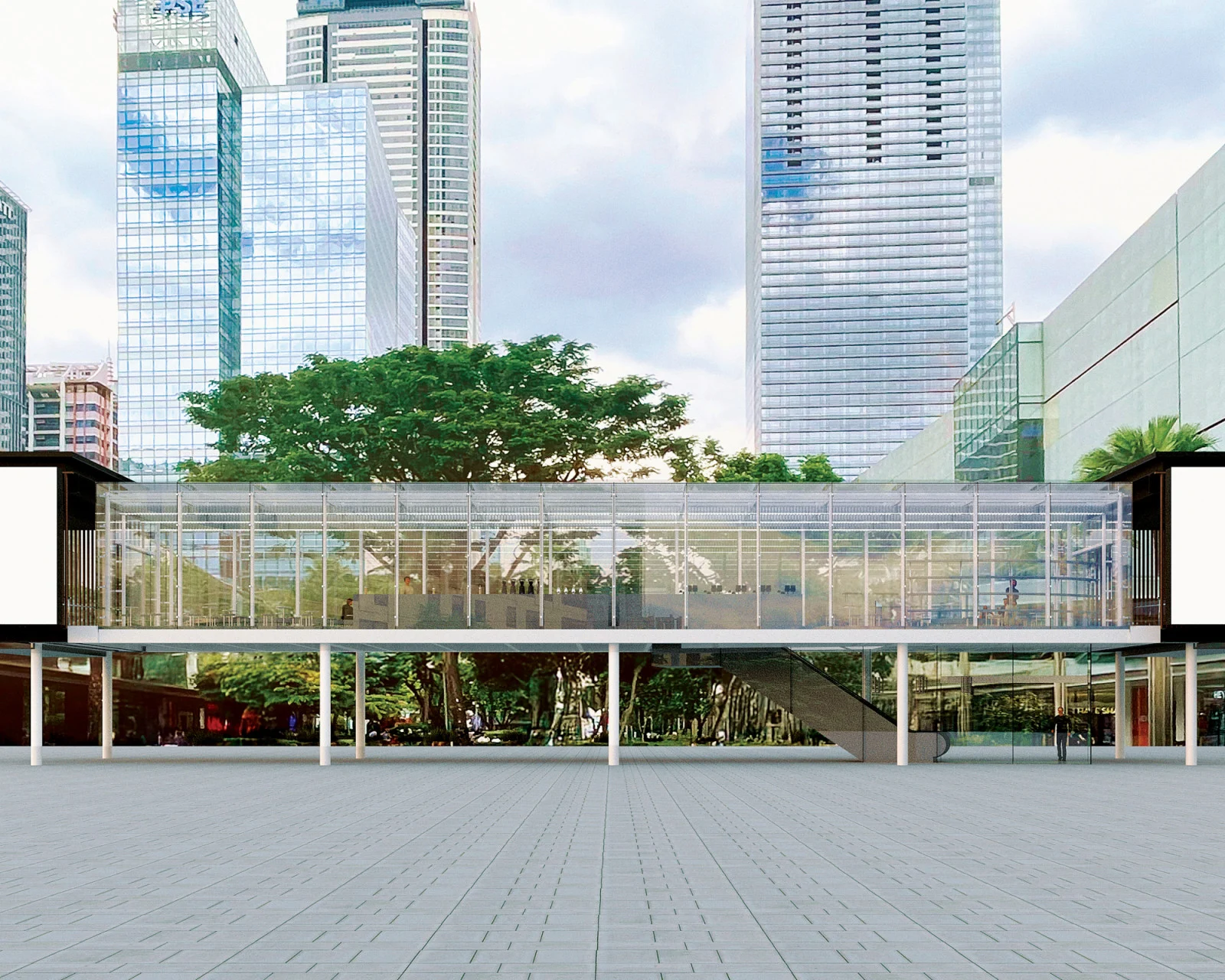
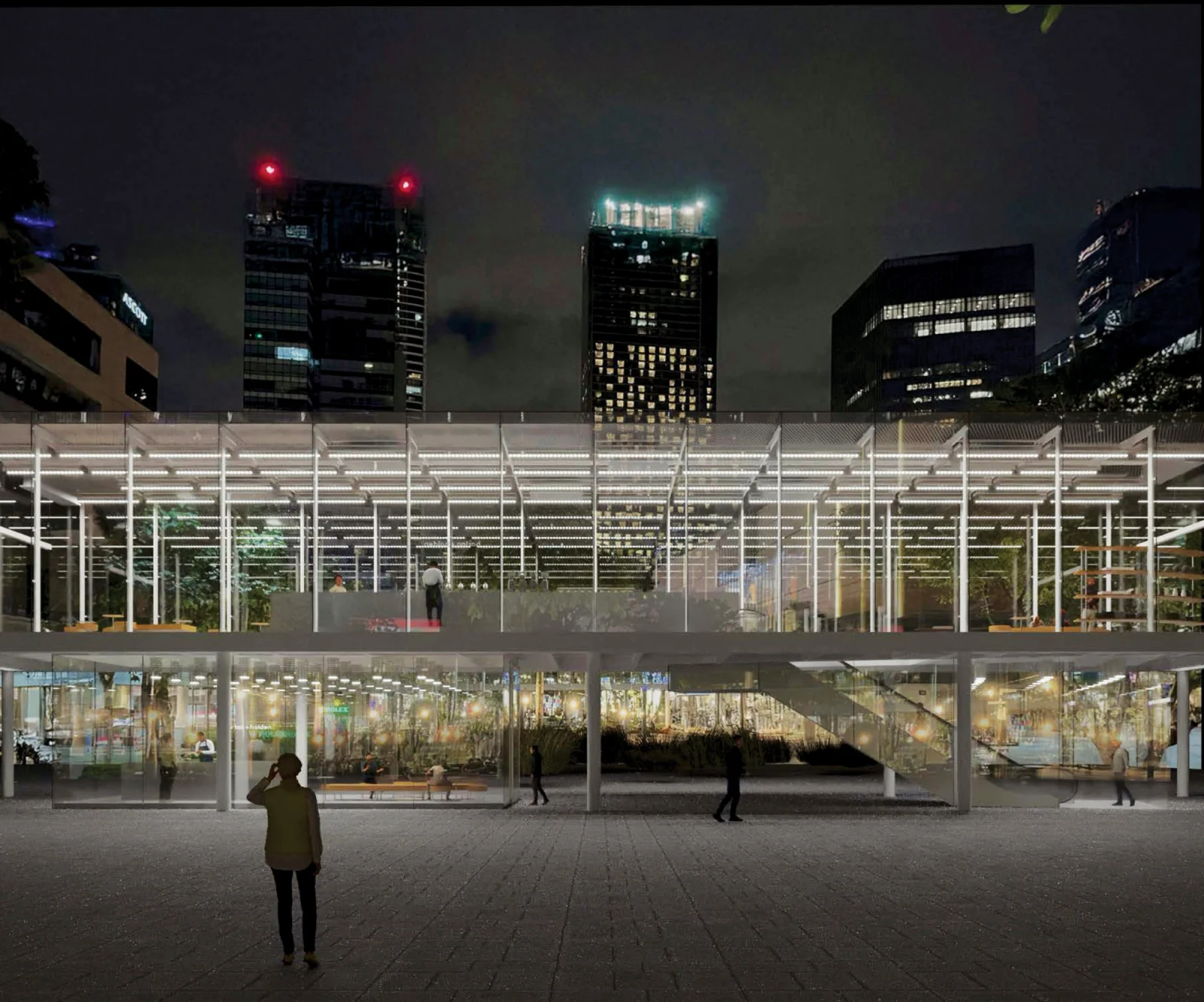
Above The essentialist approach to architecture is expressed through proportion, material and detail, without excess (Photo: courtesy of Harlan + Holden)

9. Harlan Bridge

At the core of Bonifacio Global City’s bustling energy, a new design-focused property promises to blend seamlessly with urban life. The Harlan Bridge aims to become an iconic landmark. For Harlan+Holden founder Eman Pineda, it’s more than a retail space; it’s a thoughtful architectural response to the busy, educated professionals who drive the city’s pace. Partnering with Arquitectura-G, a firm known for restraint and clarity, the design is focused on the essentials—minimalist while entirely eliminating unnecessary embellishments. The architecture relies on clean lines, proportions and durable materials to withstand Bonifacio Global City’s weather and high foot traffic.

Above Harlan Bridge (Photo: courtesy of Harlan + Holden)

Built on a busy urban bridge, the structure faces unique challenges but remains integrated and restrained. “The architecture does not compete with the city. It pays respect to it,” Pineda affirms. The space is designed to keep pace with its users, not slow them down. Rather than opening inside a mall, Harlan Coffee chose an active bridge that connects key areas, meeting people where they are.

The goal is for this architectural marvel to become a defining cultural brand. “Success is when the structure becomes an iconic landmark that reflects the taste and rhythm of urban life, in line with how Harlan Coffee operates within the city,” Pineda concludes.

Explore More on:
Articles you might be interested in
A New Landmark Residence for the Philippines May 13, 2026 A New Landmark Residence for the Philippines Read More
Designed for global excellence May 13, 2026 Designed for global excellence Read More
Designed to Endure: A new visionary address rises along Apartment Ridge May 13, 2026 Designed to Endure: A new visionary address rises along Apartment Ridge Read More
Create your legacy Get started on your legacy at The Estate Makati by contacting us or scheduling a visit today! make an inquiry